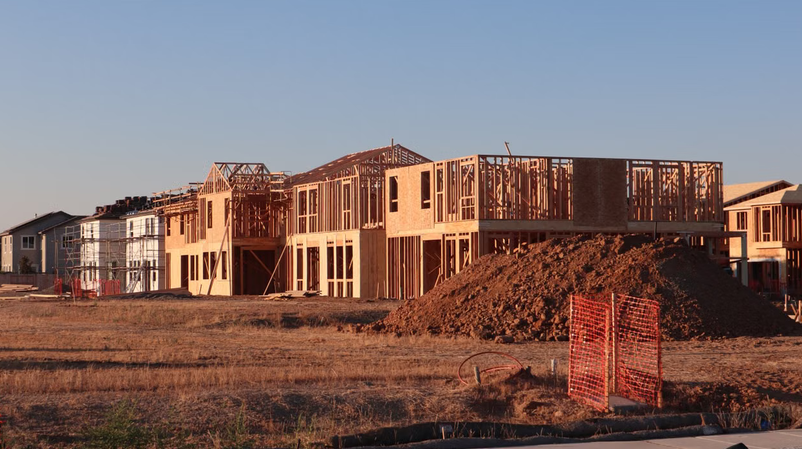
Housing preferences continue changing as people adapt to new lifestyles, financial priorities, and work arrangements. Traditional homeownership remains an important goal for many households, but it is no longer the only option people consider. Flexible housing has become an increasingly attractive choice because it offers different ways to meet changing living needs without following one standard model. This approach includes a wide range of housing solutions, from smaller homes and build-to-rent communities to co-living spaces and multigenerational properties.
Such options allow people to choose homes that better match their current stage of life rather than committing to a single long-term arrangement. Understanding why flexible housing options continue to expand helps explain how the residential market is responding to evolving consumer expectations. To get more information, read https://www.berliner-kurier.de/ratgeber/darum-fluechten-jetzt-tausende-ins-brandenburger-umland-li.10071752.
Lifestyle Changes
Daily routines look different today than they did only a decade ago. Many households now balance remote work, changing family structures, and personal mobility when choosing where to live. Some people relocate more frequently for career opportunities, while others prefer homes that support working from home. Families may also require additional space for aging parents or adult children returning home. Flexible housing accommodates these situations by offering layouts and living arrangements that adapt more easily to changing circumstances. As lifestyles continue evolving, demand for adaptable housing continues growing alongside them.
Financial Flexibility
Housing costs remain one of the largest expenses for most households. Rising property prices, maintenance costs, and financing requirements encourage many buyers and renters to explore alternatives that better fit their budgets. Flexible housing provides more choices across different price ranges. Smaller homes, shared living arrangements, and rental-focused developments often reduce financial pressure while still offering comfortable living environments. Rather than stretching household budgets to purchase larger homes, many people choose options that leave greater room for long-term financial stability. This practical approach continues influencing residential development across many markets.
Diverse Housing Designs
Developers increasingly recognize that buyers and renters have different priorities depending on age, household size, and future plans. As a result, housing designs continue becoming more varied. Compact homes maximize available space without sacrificing functionality. Multigenerational layouts provide greater privacy while allowing families to live together comfortably. Build-to-rent communities offer professionally managed neighborhoods designed specifically for long-term renters. These different housing models demonstrate that residential construction now serves a broader range of living preferences than traditional developments alone. Greater design variety helps meet changing housing demand more effectively.
Community Accessibility
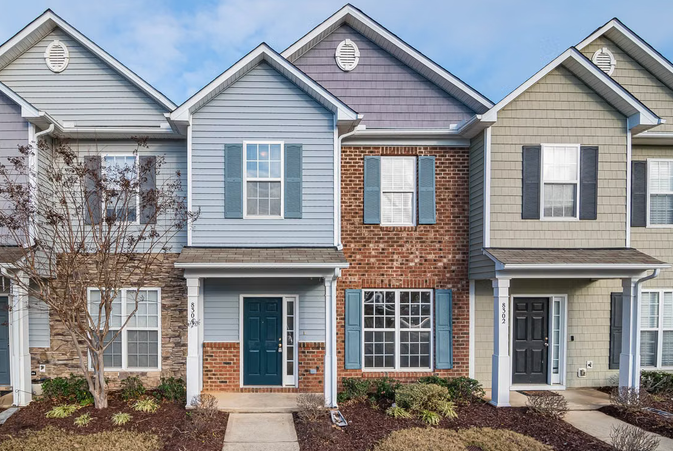
Flexible housing also supports broader access to residential communities. Different housing options allow more people to find homes that fit both their financial situations and personal needs. Some developments combine ownership and rental opportunities within the same neighborhood. Others include housing suitable for young professionals, growing families, and retirees living close together. This diversity encourages stronger communities by serving residents with different backgrounds and life stages. Expanded housing choices also help communities remain attractive as local populations continue changing over time.
Different Market Conditions
Housing markets constantly respond to economic conditions, construction costs, and population growth. Flexible housing allows developers to adapt more efficiently as market demand changes. When affordability becomes a greater concern, builders may introduce smaller homes or higher-density communities. In areas experiencing population growth, mixed housing developments provide additional residential capacity without relying on only one housing type. This adaptability allows the housing industry to respond more effectively to shifting market conditions while supporting long-term residential growth. Flexibility benefits both developers and future residents.
Long-Term Housing Needs
People rarely have identical housing needs throughout their lives. Young professionals, growing families, empty nesters, and retirees often require different living arrangements as their circumstances change. Flexible housing recognizes that these needs evolve. Instead of expecting one property to meet every future requirement, households now have greater opportunities to choose homes that align with their current priorities. This approach allows people to move more easily between different housing options as careers, finances, and family responsibilities change. Long-term housing satisfaction often improves when living arrangements remain adaptable rather than fixed.
Flexible housing options continue to expand because they respond to changing lifestyles, support financial flexibility, encourage diverse housing designs, improve community accessibility, adapt to market conditions, and meet evolving long-term housing needs. These factors allow residential markets to better serve people whose living preferences continue changing over time. Understanding why flexible housing options continue to expand demonstrates that modern housing is becoming more responsive to real-life circumstances rather than relying on one traditional model.