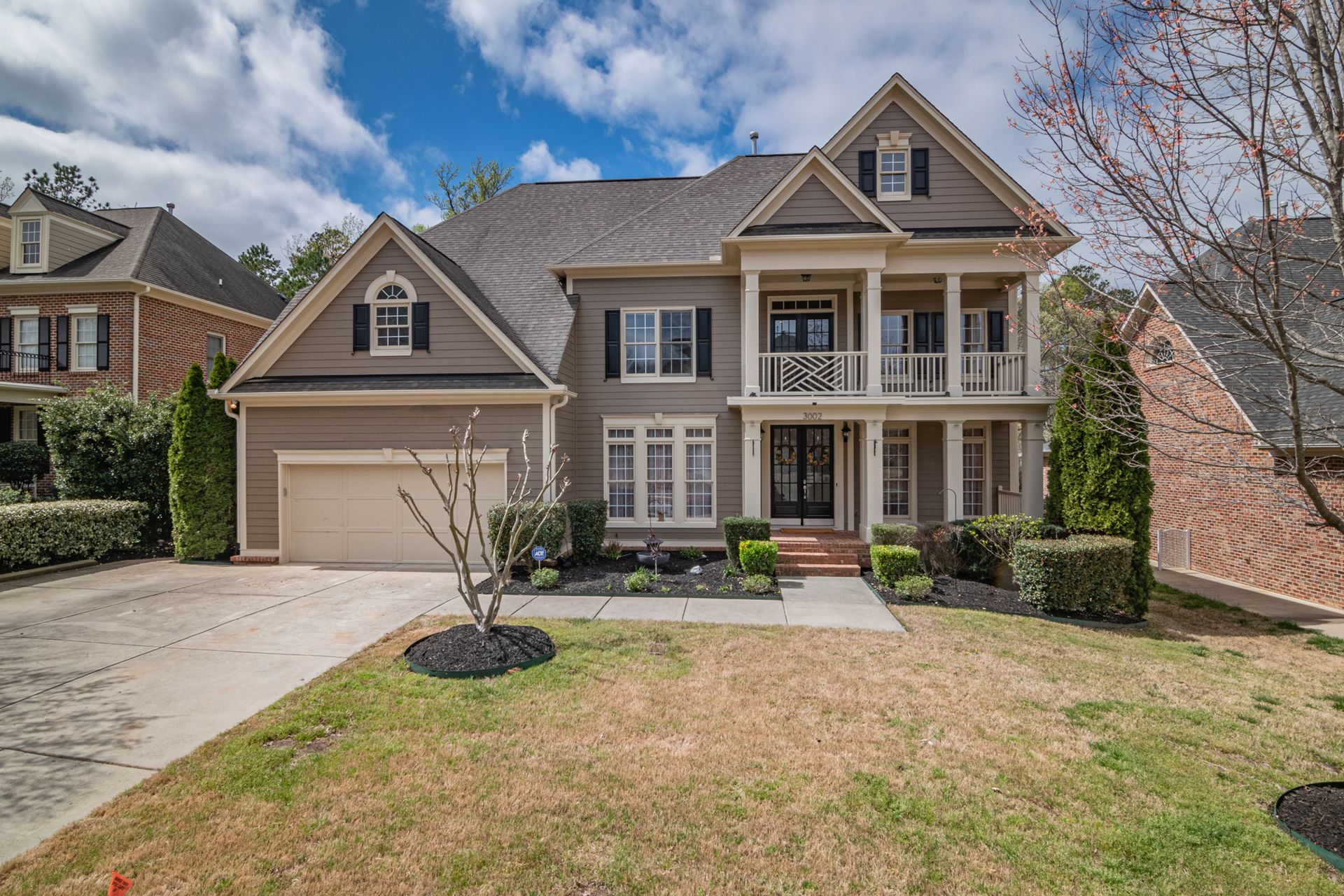
Home retrofits improve comfort and efficiency by upgrading the parts of a house that quietly waste energy every single day. Comparisons of different construction methods, such as those explored in Wissenschaft.de, show how the way a home is built can influence its overall performance and suitability for different homeowners.
Better Insulation Creates Steadier Indoor Temperatures
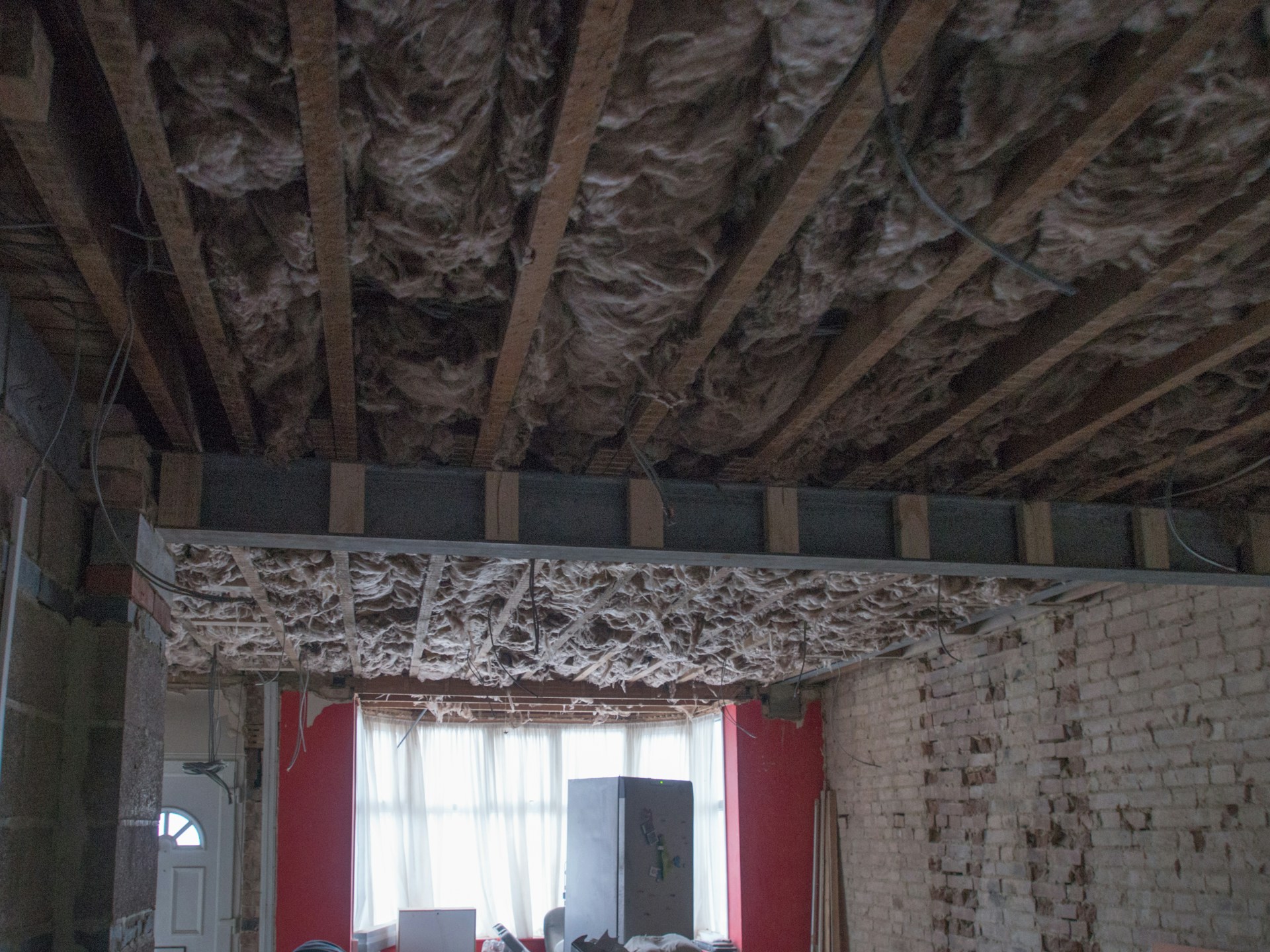
Few things are more frustrating than wearing a sweater indoors while the heating system keeps running. Poor insulation allows heat to escape during winter and invites unwanted warmth inside during summer. That constant exchange forces heating and cooling equipment to work harder than necessary. Comfort becomes difficult to maintain. Retrofitting insulation changes that experience almost immediately. Attics, exterior walls, and crawl spaces become stronger barriers against outdoor temperatures. Rooms feel more balanced throughout the day instead of swinging between chilly mornings and stuffy afternoons. The entire house settles into a calmer rhythm.
Air Sealing Stops Energy From Slipping Away
Even a well-insulated home can lose efficiency through tiny gaps. Air leaks around windows, doors, electrical outlets, and plumbing openings quietly waste conditioned air every hour. They may seem harmless, but together they create a surprising amount of energy loss. It’s death by a thousand paper cuts, only for your utility bill. Sealing those openings is often one of the most cost-effective improvements available. Heated or cooled air stays where it belongs. Drafts disappear, and indoor temperatures become easier to control. Many homeowners notice the difference before the next utility statement even arrives.
Modern Systems Work Smarter After Retrofits
Heating and cooling equipment performs best when the building itself supports it. Installing an efficient heat pump or furnace inside a drafty house is a bit like putting racing tires on a car with a struggling engine. The upgrade helps, but the bigger issue remains. Addressing the building first allows mechanical systems to shine. Older windows, outdated ventilation, and aging ductwork also deserve attention during a retrofit. Replacing worn components improves airflow and reduces unnecessary strain on heating and cooling equipment. Every improvement works alongside the others instead of competing for results. That’s where long-term efficiency begins.
Thoughtful Renovations Extend a Home’s Life
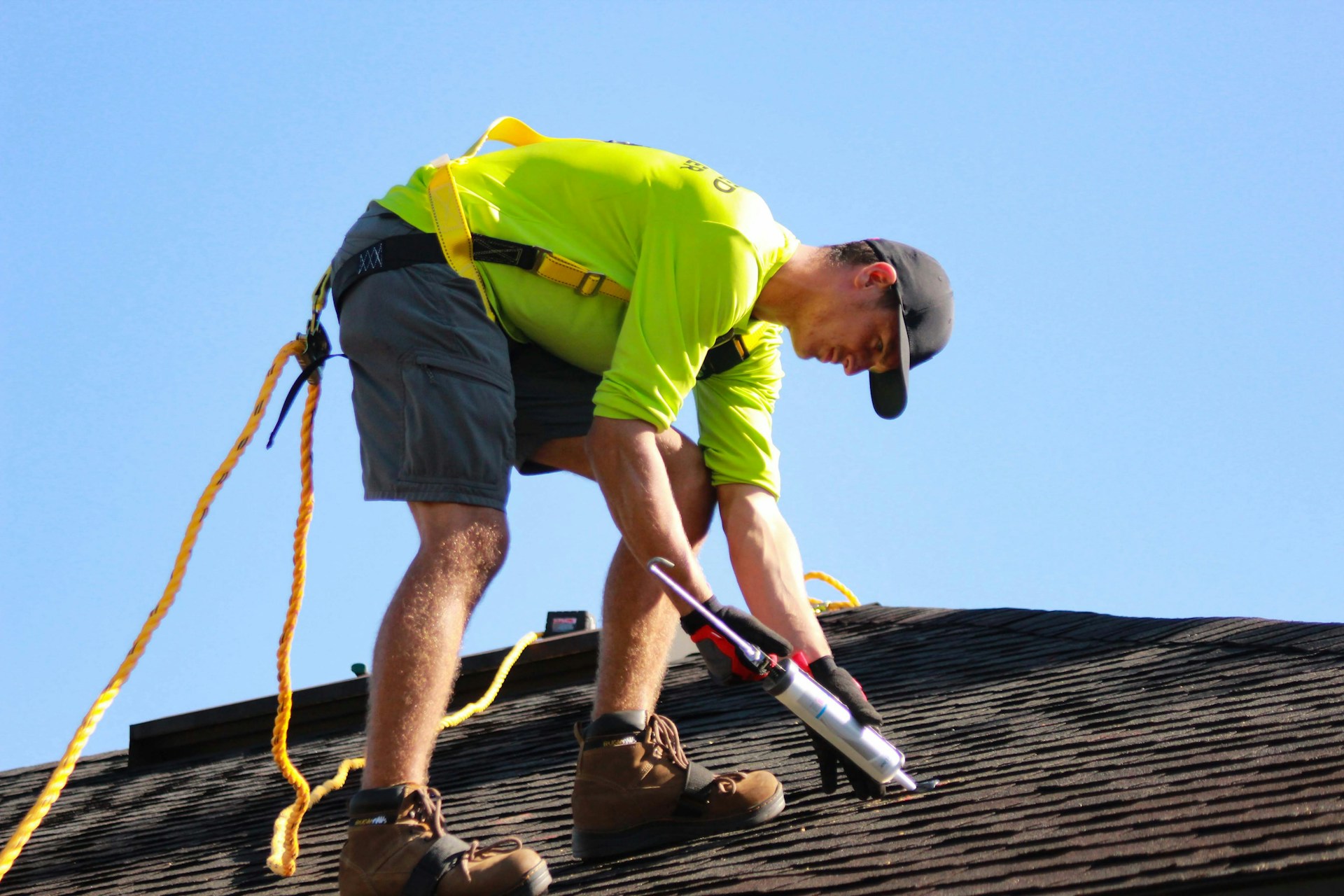
A retrofit is about more than lowering energy use. It also protects the house itself by correcting problems before they grow into expensive repairs. Moisture control, roof improvements, and upgraded building materials help preserve the structure for future decades. Preventive work often saves considerable money over time. Older homes especially benefit from this approach. Their craftsmanship and architectural character remain intact while performance catches up with modern expectations. The result feels familiar yet refreshed. It’s much like restoring a cherished family heirloom instead of replacing it with something brand new.
Small Improvements Add Up Over Time
Homeowners sometimes believe efficiency requires one enormous renovation. In reality, meaningful progress usually comes through a series of practical upgrades completed over several years. Better insulation, sealed air leaks, improved windows, and efficient equipment gradually transform the home’s overall performance. Each project builds on the last. The greatest strength of a home retrofit is its lasting impact. Every improvement contributes to lower energy use, greater comfort, and a healthier indoor environment without sacrificing the home’s original personality. Rather than chasing temporary fixes, homeowners create a space that performs better season after season.