
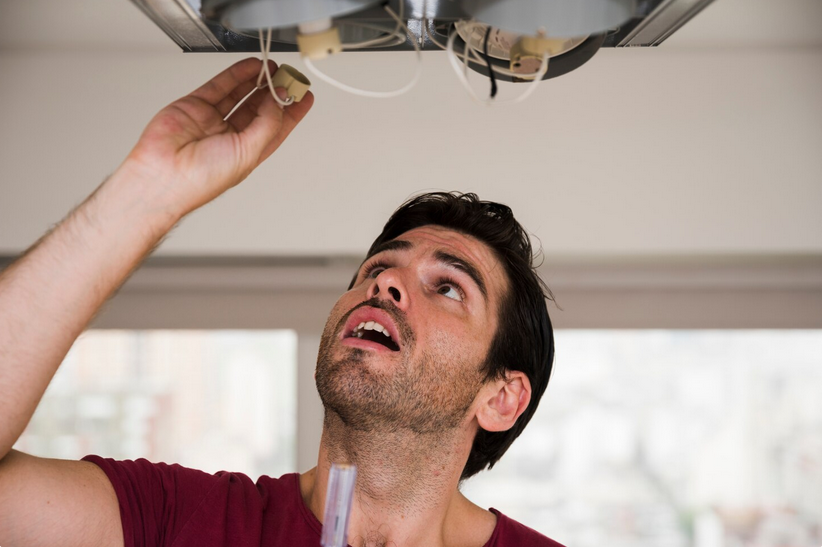
Electrical emergencies can strike at any time, and they often arrive unannounced. From sudden power outages to sparking outlets or malfunctioning appliances, these situations can be stressful and even dangerous if not handled correctly. Knowing how to respond calmly and safely is essential for protecting both your home and your family. With a few smart strategies and a clear plan, you can navigate electrical emergencies without panic and minimize potential damage.
Recognizing When Immediate Action Is Needed
The first step in handling any electrical issue is recognizing the severity of the problem. Flickering lights or minor appliance glitches might not require urgent attention, but signs such as sparks, smoke, burning smells, or circuit breakers that trip repeatedly demand immediate intervention. Understanding the difference between minor issues and true emergencies can help you stay calm and take the right steps without overreacting. Safety should always be your top priority when electricity is involved.
Responding Quickly to Emergency Electrical Repairs
 When a critical electrical issue occurs, knowing how to act fast is crucial, and calling a professional for emergency electrical repairs can prevent fires, equipment damage, or injury. The best approach is to cut off power to the affected area by turning off the main breaker if necessary, then have a licensed electrician assess and fix the problem safely. Quick action combined with professional support minimizes risk and restores functionality without added stress.
Staying Safe While Waiting for Help
While waiting for a professional to arrive, maintaining safety is essential. Avoid touching exposed wires, standing in wet areas, or attempting DIY fixes unless you have proper training. Keep children and pets away from the affected area and ensure that nothing flammable is nearby. Simple precautions like these can prevent accidents and give you peace of mind while waiting for the emergency repair team to arrive.
Keeping a Ready-to-Go Emergency Kit

Being prepared in advance can greatly reduce stress during electrical emergencies. A basic emergency kit for electrical issues might include a flashlight, spare batteries, a fire extinguisher rated for electrical fires, and insulated gloves. Having these items on hand ensures you can handle minor inconveniences safely and provide essential tools for professionals when they arrive. Preparedness helps you feel in control even during unexpected situations.
Documenting the Issue for Insurance and Repairs
Another helpful step during electrical emergencies is documenting the problem. Take photos or make notes about what happened, when it started, and any visible damage. This information can be useful for both the electrician and your insurance provider. Accurate records make it easier to get repairs covered, and they also help professionals diagnose the root cause more quickly, reducing the overall time and cost of restoration.
Preventing Future Electrical Emergencies

Once the immediate issue is resolved, it’s smart to consider preventive measures. Regular inspections, timely maintenance, and upgrading old wiring or outdated panels can reduce the risk of future emergencies. Educating yourself and household members on proper electrical safety practices, such as avoiding overloaded outlets and keeping appliances in good condition, also helps prevent repeat incidents. Proactive measures give you confidence that your home’s electrical system is safer in the long term.
Electrical emergencies are never fun, but they don’t have to be overwhelming. Recognizing serious issues, acting quickly, and prioritizing safety are key steps to managing unexpected electrical problems effectively. Keeping emergency supplies, documenting issues, and taking preventive measures, all contribute to a calmer, more organized response. With these strategies in place, you can handle urgent electrical repairs without unnecessary stress, protecting both your home and your peace of mind.

