
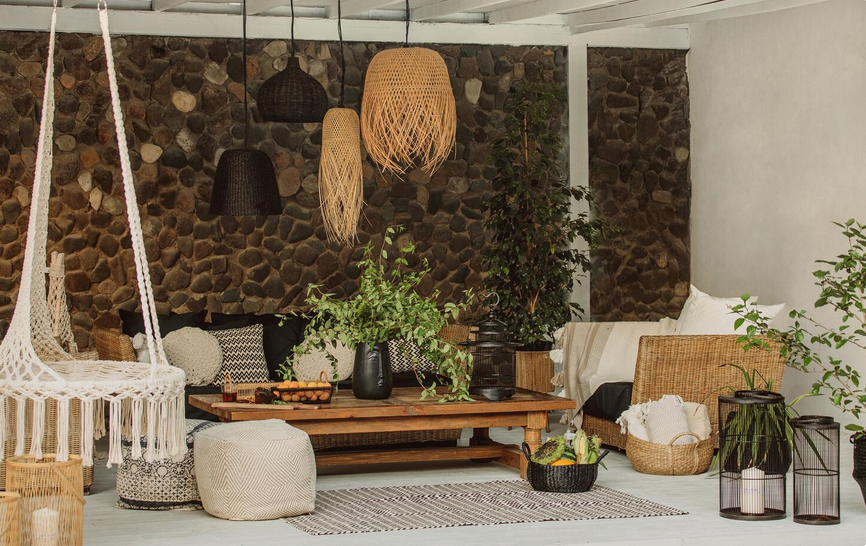
Integrating natural elements into your home can transform everyday spaces into calming retreats. Studies quoted in Aachener Zeitung underline how biophilic design blends architecture and nature seamlessly. Simple additions, like plants and natural textures, can elevate mood and improve wellbeing. Even minor changes, such as choosing wood finishes or stone surfaces, make a noticeable difference. Lighting that mimics daylight can also enhance the effect. This approach encourages harmony between indoor spaces and the natural environment outside.
Incorporating Greenery and Living Walls
Plants are the cornerstone of biophilic interiors. They filter air, soften hard surfaces, and introduce soothing colors that contrast with neutral palettes. Vertical gardens or living walls maximize green space, especially in smaller homes. Placing potted plants in high-traffic areas encourages interaction and care. Hanging planters near windows creates depth and visual interest. These elements act as daily reminders of the natural world, calming both mind and body.
Maximizing Natural Light and Views

Sunlight is vital for physical and mental health, and biophilic interiors prioritize it. Large windows, skylights, and reflective surfaces help distribute natural light throughout rooms. Views of outdoor greenery or water further enhance comfort and reduce stress. Strategic use of light can highlight textures, like wood grain or stone patterns. Window treatments that allow adjustable light control combine function with aesthetics. This approach fosters a sense of openness and connection with the environment.
Using Natural Materials and Textures
Wood, stone, bamboo, and cork bring tactile and visual warmth to interiors. Furniture, flooring, and decorative accents made from these materials create an organic, grounded feel. Textures stimulate senses, promoting a more immersive, natural experience. Combining soft textiles with harder surfaces balances comfort and durability. Subtle patterns inspired by nature, like leaf or wave motifs, reinforce the biophilic theme. This layering of textures adds depth without overwhelming the space.
Water Features and Ambient Sounds
The sound of flowing water or subtle nature-inspired audio adds another sensory layer. Small indoor fountains, aquariums, or tabletop water features can create relaxing soundscapes. They improve mood and mask distracting background noise in busy households. Natural sounds can be enhanced by selecting quiet materials and arranging furniture to reduce echo. Even gentle wind chimes or recordings of birdsong can amplify the connection to nature. This attention to sound completes a multi-sensory biophilic environment.
Enhancing Air Quality and Indoor Climate

Good air quality is essential in biophilic interiors, as it directly affects comfort and health. Incorporating plants, natural ventilation, and non-toxic materials can reduce indoor pollutants. This creates a fresher, more breathable environment that supports wellbeing. Strategic placement of windows and vents encourages airflow and maintains a balanced indoor climate. Air-purifying plants like ferns, spider plants, and peace lilies can complement mechanical systems. Combining these methods reinforces the connection between the indoor space and the natural world outside.
Biophilic interior design is more than a trend; it’s a lifestyle approach that nurtures wellbeing. Integrating plants, light, textures, and natural sounds fosters spaces where people feel both energized and relaxed. By incorporating these principles, homeowners can transform ordinary rooms into serene sanctuaries.

